How to Paint and Finish the Base Rim
Learn how to paint base rims cleanly on miniatures. Covers color choices, edge technique, keeping paint off the top, sealing, and army consistency.
The rim of a base is a small detail that has a disproportionate effect on how finished a miniature looks. Knowing how to paint base rims cleanly pulls the whole model together, and getting it wrong is one of the fastest ways to make an otherwise solid paint job look rushed. This guide covers everything from picking a color to keeping paint where it belongs.
At a Glance
- Pick one rim color per army or project and stick with it. Consistency matters more than the specific shade.
- Black is the most common rim color because it reads as a neutral border and hides small inconsistencies.
- Finish the base top completely before starting the rim, so any stray brushwork lands on a surface you can touch up.
- Load the brush lightly and work in short horizontal strokes to stop paint bleeding onto the top texture.
- Two thin coats stay put; one thick coat flows into gaps and creeps onto the ground cover.
- A single varnish pass over the whole base, rim included, seals the color and gives a consistent sheen.
Why the Rim Color Matters
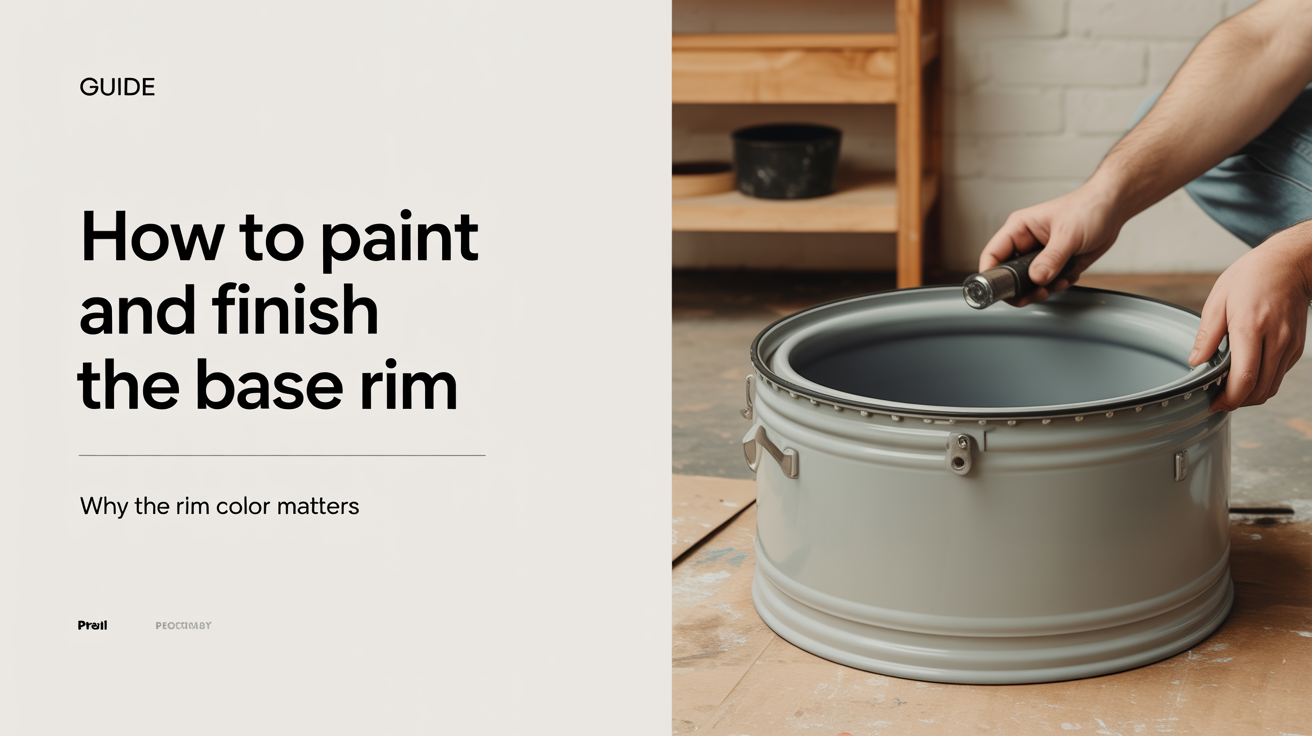
Most painters finish the top of the base with texture, grass, or paint to match a setting. But the vertical band around the edge is visible from every angle, and it frames the model at eye level on a gaming table. A mismatched or uneven rim draws the eye in the wrong direction.
Bases carry more functional weight than their size suggests. In most tabletop wargames the base itself, not the sculpted figure standing on it, is what the rules actually measure. Wikipedia's article on miniature wargaming notes that in many systems the model on top is effectively irrelevant to the rules, while the dimensions of the base determine unit distances and firing ranges during play. A neat, consistent rim is not just cosmetic polish, it is the visible edge of the one part of the miniature every other player is going to be looking at and measuring from constantly.
The good news is that you only need to make one decision per army or project: pick a rim color and stick with it. Consistency across all your bases does more visual work than any single technique.
For ideas on what to put on the top surface before you tackle the rim, see the beginner's guide to basing a miniature.
Choosing a Rim Color
There is no universally correct answer, but some colors are much more common than others because they read well at arm's length and suit broad themes.
| Rim color | Look it gives | Best for |
|---|---|---|
| Black | Neutral, grounded, slightly harsh at close range | Dark or grimdark armies, dungeon environments |
| Dark brown | Earthy, soft, blends with natural ground cover | Fantasy, wilderness, historical |
| Grey (mid or dark) | Clean, modern, works on almost any palette | Sci-fi, urban, terrain boards with stone |
| Green (dark or olive) | Matches grassy tops, very cohesive | Bright nature-themed bases, summer campaigns |
Black is the most popular choice because it is forgiving of slight variations and reads as a neutral border. Brown is a close second for armies painted in natural tones. Grey is underrated and tends to suit modern, industrial, or sci-fi settings. Green is mainly worth it when the top of the base is already heavily grassed, because the rim then appears to grow out of the same environment.
Avoid bright or saturated rim colors unless you have a very deliberate reason. A bright red rim on a naturalistic fantasy base looks accidental rather than artistic.
A Simple Way to Decide If You Are Stuck
If you genuinely cannot pick, match the rim to whichever color already appears the most across your models, usually the darkest neutral in your cloak, armor, or boot palette. That way the rim reads as an intentional extension of the model's existing tones instead of an unrelated addition, and it will still work if you change basing themes down the line.
Keeping Rim Paint off the Top
This is the part most beginners rush, and it is where the difference between tidy and messy rim work shows up most clearly. The goal is to paint the vertical band without dragging color up onto the basing texture or the model's feet.
Load the brush correctly. Use a small flat brush or a detail brush with a fine tip. Wipe most of the paint off on a paper towel so the brush is damp rather than wet. Overloaded brushes bleed upward under surface tension.
Work in short strokes. Pull the brush horizontally around the rim rather than vertically down from the top. Short, controlled strokes in one direction give you far more control than long sweeping passes.
Tilt the base slightly away from you. Holding the base at a shallow angle means any accidental upward drift moves away from the texture instead of into it.
Two thin coats instead of one thick one. A thin coat stays where you put it. A thick coat flows into gaps and creeps up onto the ground cover. Let the first coat dry fully, then add a second if coverage looks patchy.
If you do get paint on the top texture, let it dry and correct it. Trying to wipe wet paint off flock or static grass usually spreads it further. Once dry, a thin coat of the correct base color over the affected area fixes it without disturbing what is underneath.
For a full look at different ground cover materials, the guide on simple basing ideas and textures for beginners covers most of what you are likely to encounter.
Clean Edge Technique Step by Step
Here is a reliable sequence for finishing base rims that works on standard round and square plastic bases.
1. Prime and paint the base top first
Finish the ground texture completely before touching the rim. That way any accidental overspray or brush drag from rim work sits on finished texture you can touch up, rather than on bare plastic you have already primed.
2. Apply the rim color in two passes
Load a flat synthetic brush (size 0 or 1) with your chosen color thinned to a single-cream consistency, the same thin, milk-like flow you would use for basecoating the rest of the model. Paint the lower two-thirds of the rim first, all the way around. Let it dry for a few minutes, then paint the upper third, overlapping slightly so there are no gaps at the edge where the rim meets the base top.
3. Check and correct
Hold the base at eye level and rotate it slowly. Patchy spots, holiday gaps, or accidental color on the top surface will all be obvious at this angle. Fix any issues before moving on.
4. Seal
Apply a coat of varnish over the entire base, rim included. This both locks in the color and gives you a consistent sheen across the model's feet and ground surface. A satin or matte varnish is usually more appropriate than gloss for bases, since the ground reads more convincingly without shine.
Sealing the Rim Properly
Sealing is often treated as optional, but on bases it is genuinely useful. The rim gets a lot of contact during handling and storage. Paint on a plastic rim without varnish chips faster than paint on any other part of the model because the surface is smooth and offers minimal tooth.
A brush-on matte varnish gives the most control. Spray varnish works too, but make sure to hold the can at the correct distance (usually 25 to 30 cm) to avoid a frosted finish, especially in humid conditions.
If you use any tufts or delicate materials on the base top, apply those after the varnish coat so they do not get sealed flat. See the guide on how to add flock, grass tufts, and static grass for the correct order of operations when combining multiple basing materials.
Keeping Rims Consistent Across an Army
A mixed bag of rim colors across fifty infantry models looks like a mistake, even if each individual base is well-executed. The simplest way to avoid that is to commit to one color before you base the first model and write it down.
If you are painting in batches, do all the rim work in a single session for the whole batch. This keeps the color consistent because you are mixing from the same pot at the same consistency, and it also saves time because the muscle memory carries over across models.
A few habits that help with batch consistency:
| Habit | Why it matters |
|---|---|
| Mix a larger batch of rim paint, stored in a lidded pot | Guarantees every model uses the exact same mix, no shade drift between sessions |
| Record the exact paint name and range | Lets you buy a replacement that matches instead of guessing at a new pot |
| Paint all rims before any varnish, then varnish the whole batch at once | Avoids subtle sheen differences between individual models |
| Rotate bases under one consistent light source when checking | Catches missed spots before varnish locks them in |
Base rim color is one of the few places in miniature painting where rigid uniformity is a virtue rather than a creative limitation.
Fixing a Bleed Without Redoing the Whole Rim
Even with careful technique, some rim paint will occasionally creep onto the top texture or down onto the underside of the base. A full redo is rarely necessary.
For a small bleed onto flock or static grass, let the paint dry completely first. Wet paint smears through fibers and makes the problem worse. Once dry, use a fine liner brush loaded with the matching top color, a basing wash color, or a small dab of textured basing paste to spot-correct just the affected fibers rather than repainting the whole area.
For a bleed onto bare or textured plastic near the rim, a thin line of the correct top color along the seam usually disappears completely once dry. Do this before the final varnish coat so the touch-up gets sealed along with everything else.
For a bleed onto the underside of the base, this rarely matters visually since it faces the table, but it is worth a quick wipe with a damp cotton swab while the paint is still wet, since underside smudges can transfer onto other bases or storage foam during transport.
Frequently Asked Questions
What is the most common base rim color for miniatures?
Black is probably the most widely used choice across all miniature ranges and game systems. It reads as a neutral boundary and hides minor inconsistencies well. Brown is a close second for armies on naturalistic terrain.
Can I paint the rim before finishing the base top?
You can, but it usually causes more problems than it solves. It is much easier to tidy up small rim smears on finished texture than to keep rim color off bare primed plastic where every drop shows. Finish the ground texture first, then do the rim.
What brush should I use for base rims?
A small flat brush (size 0 or 1) gives you a clean horizontal stroke along the rim edge. Some painters prefer a short filbert or even a worn detail brush with a blunt tip. The key is loading the brush lightly so it does not bleed upward.
Should the rim color match the ground texture or the model's palette?
Neither, usually. The rim is meant to frame and contain the base visually, so a neutral color that sits underneath the composition works better than one that competes with it. Pick a color that matches the general tone of the setting (earthy for fantasy, dark for grimdark) rather than trying to match a specific element.
Does the rim color need to be sealed separately?
No, a single varnish coat over the whole base covers the rim at the same time. If you are brush-applying varnish, just make sure to work it into the rim edge where it meets the table surface, since that area gets the most wear during play.
My rim color looks different on some models than others even though I used the same paint. Why?
The most common cause is thinning inconsistency between sessions, a slightly wetter or drier brush changes the apparent value once dry. The fix is mixing one larger batch of rim paint at the start of a project rather than remixing from the pot every sitting, and always test-loading the brush on scrap before touching a model if you have paused for more than a few minutes.