What Brushes Do You Need for Miniature Painting?
Find out the best brushes for miniature painting, what sizes actually matter, and how to choose between synthetic and natural sable on a beginner budget.
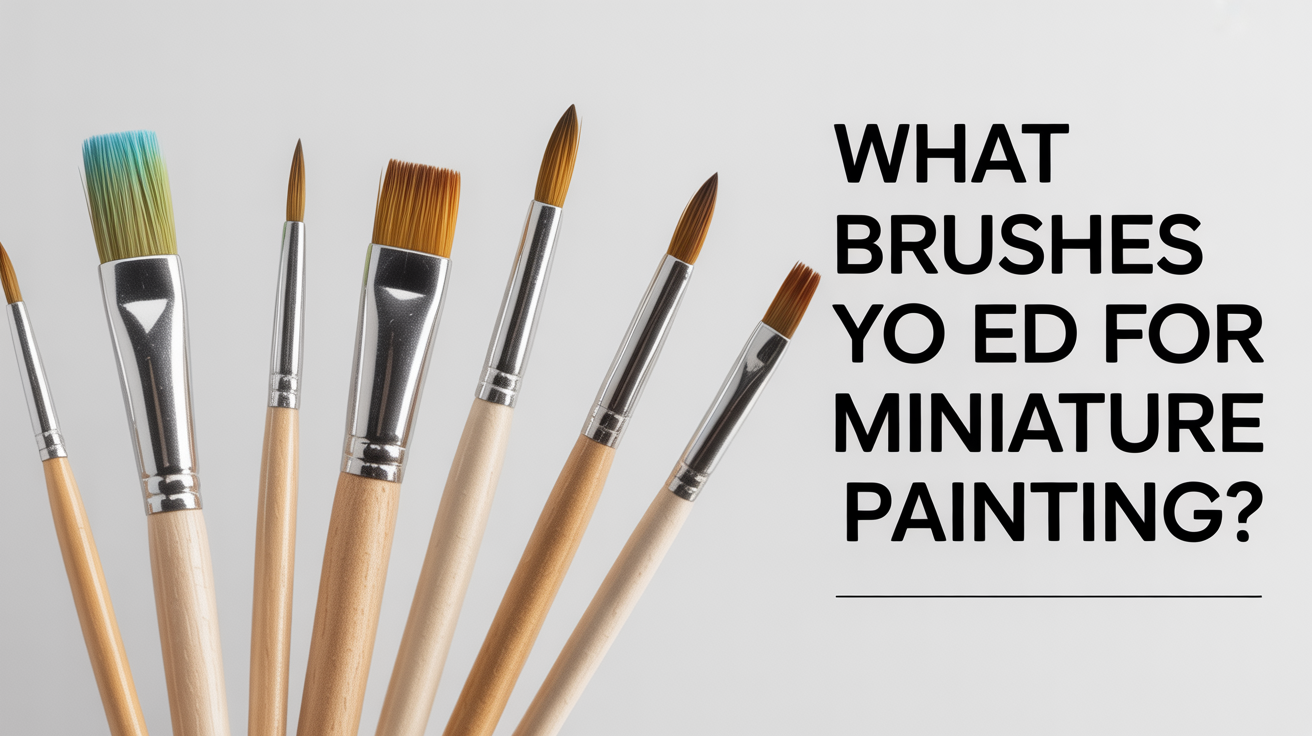
You can paint excellent miniatures with three brushes. A size 1 for most work, a detail brush for tight spots, and a stiff flat brush for drybrushing. That is genuinely the short answer. Everything after this is about understanding why, so you can make confident choices rather than guessing at random in a hobby shop.
The Case for Starting Small (Brush Count, Not Brush Size)
New painters almost always buy too many brushes too early. A ten-piece starter set looks like good value, but half those brushes will sit untouched while two do the actual work. Spend that money on fewer, better brushes and you will see a real difference in how your minis look.
The foundation of any kit for miniature painting brushes for beginners is a quality mid-size round. A size 1 has enough belly to hold paint and enough tip to reach into recesses and draw thin lines. You can basecoat a 28mm infantry figure, paint facial features, and pick out small details all with the same brush if the tip is good. It sounds like an exaggeration; it is not.
From there, add:
- A size 0 or 00 detail brush for the smallest work: eyes, tiny insignia, edge highlights on sharp corners.
- A stiff flat brush, medium size dedicated entirely to drybrushing. Never use your good rounds for this technique; the rough scrubbing motion splits and frays tips within minutes.
Three brushes. That is your real starter kit. Add more sizes as you identify specific needs, not before.
Synthetic vs. Natural Sable: What Actually Matters
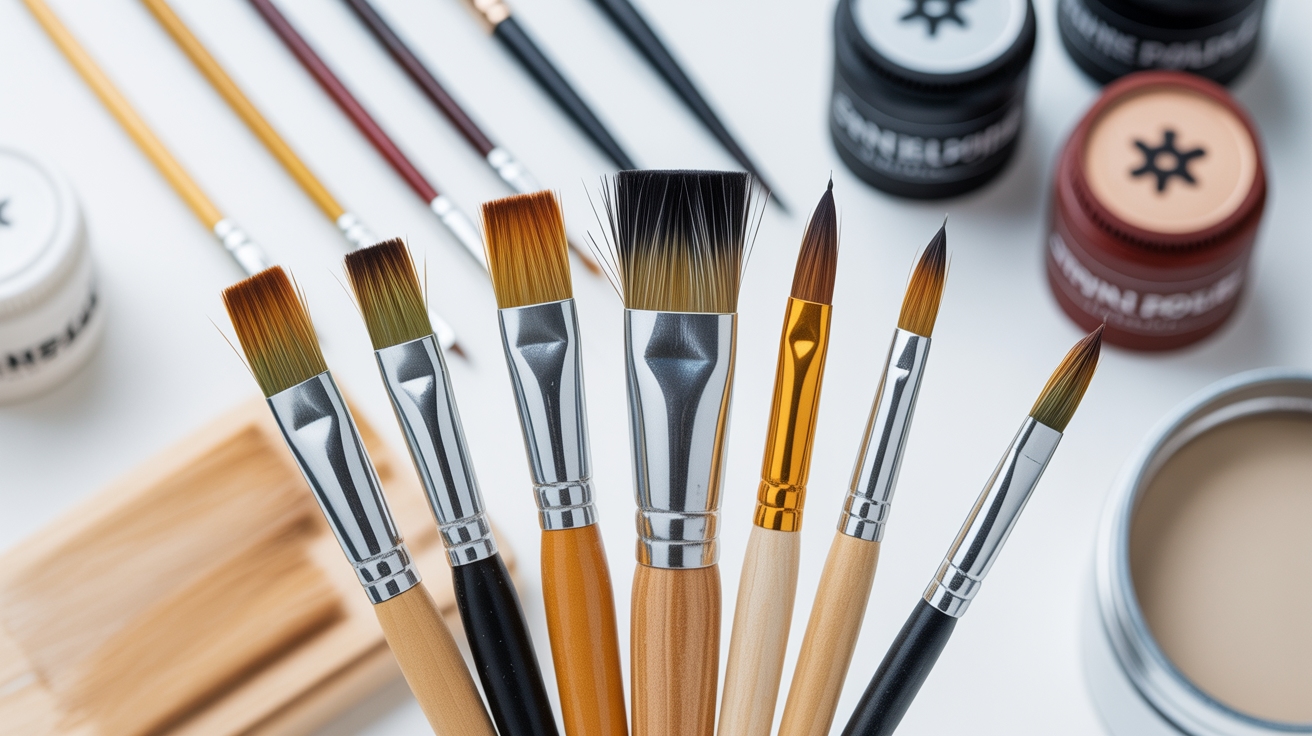
This comparison comes up constantly, and the honest answer is that both work well once you understand the trade-off.
Natural Sable (Kolinsky in Particular)
Kolinsky sable brushes come from the tail hair of the Siberian weasel and have two properties that make them popular: a natural taper to a very fine point, and a thick belly that loads with paint and releases it gradually. A good Kolinsky holds its tip wash after wash and snaps back to shape after each stroke.
The downside is price. A quality size 1 from a respected brand can cost as much as a full set of synthetic brushes. That is not a beginner problem per se, but it stings if you ruin the brush through misuse before you have learned proper brush care.
Synthetic Brushes
Modern synthetics have improved dramatically. The best synthetic rounds hold a decent tip, load paint reasonably well, and cost a fraction of natural hair. They wear faster, meaning the tip starts to splay and lose its snap sooner, but at the price point you can simply replace them without frustration.
For a beginner working on their first dozen or so minis, a good synthetic round is the smarter starting point. Learn brush care habits first (never letting paint dry in the ferrule, keeping brushes moist during a session, not pressing down to the metal during drybrushing), then invest in a natural sable once you know you will treat it well.
Some painters land on a hybrid approach: one good Kolinsky size 1 for the work they care most about, synthetics for basecoating large areas and for drybrushing.
Brush Sizes Explained
Brush numbering feels confusing at first because it is not standardized across every manufacturer. As a general rule, larger numbers mean larger brushes. But the difference between a size 1 from one brand and a size 1 from another can be noticeable. Always check a photo or review before ordering online.
| Size | Common Uses |
|---|---|
| 3 or 2 | Basecoating large flat surfaces, applying washes to big areas |
| 1 | All-purpose workhorse: basecoating, layering, general detail |
| 0 | Fine detail, edge highlighting, small text or markings |
| 1/0 (10/0) or 00 | Eyes, tiny gems, the finest freehand work |
| Drybrush (flat, stiff) | Drybrushing raised textures: fur, stone, hair, chainmail |
When people ask what brush size for minis is the right starting point, the answer is almost always a size 1. It handles far more tasks than you might expect if it holds a clean point.
What Makes a Brush Good or Bad
Tip integrity is everything. A round brush that forms a sharp point when wet can do fine detail work regardless of how small or large its belly is. A brush with a split, bent, or frayed tip is frustrating to use at any size.
To check a brush in a store, wet the bristles and give them a gentle shake or press them lightly against the back of your hand. Do they snap to a clean point? That is a good sign. If the tip fans out or bends to one side, move on.
Look at the ferrule too, the metal collar connecting bristles to handle. If bristles extend past the ferrule on the sides rather than bundling cleanly, the brush was crimped poorly and will shed hairs during use.
Brush length matters less than people think. Shorter handles are common on miniature painting brushes and make it easier to rest your hand near your work for control, but a standard long-handle watercolour brush works just as well once you adjust your grip.
Brush Care: Making Them Last
The best brushes for miniature painting are not much use if they fall apart in a month. Brush care is a real skill and it makes a noticeable difference in how long your tools stay usable.
The single biggest mistake is letting paint dry inside the ferrule. Acrylic paint that sets between the bristles and the metal splays the tip permanently. Keep brushes moving while painting and swirl them in water frequently during a session. You do not need fancy brush cleaner for regular acrylic work; plain water works fine as long as you use it.
See the wet palette guide for a technique that keeps your paint from drying out on your palette, which also means you spend less time rinsing brushes mid-stroke to dilute thickening paint.
At the end of a session, wipe the brush on a paper towel, rinse in water, reshape the tip with your fingers, and store flat or bristles-up. Some painters use brush soap (original The Masters Brush Cleaner is a common choice) for a deeper weekly clean.
Never store brushes bristles-down in a jar or cup. The tip bends under the weight and holds that shape permanently.
Thinning Paint and Brush Load
Brush choice and paint consistency are linked. A thick, undermixed paint clogs bristles, dries unevenly, and hides detail. Properly thinned paint flows off the brush predictably and lets you control placement.
Read through how to thin your paints before you do much brush work; paint consistency affects how every brush performs, not just the fine detail ones.
For drybrushing, the technique goes the other direction: you want almost no paint on the brush, wiped to near-dryness on a paper towel, then dragged lightly across raised texture. A dedicated flat drybrush makes this much easier to control than trying it with a round. Keep a stiff cheap brush set aside only for this.
Understanding the difference between how a basecoat paint loads versus how a wash or contrast paint flows also changes which brush you reach for. Miniature paints explained covers those distinctions in detail.
Building Your Kit Over Time
Start with three brushes as described above. After painting ten to fifteen miniatures, you will have a clearer sense of where you want more precision or more coverage. That is when to expand.
Common next additions:
- A size 2 round for faster coverage on larger models or vehicles
- A second size 1 dedicated to washes, so you are not cleaning the brush between every step
- A fine liner brush for freehand if you want to try banners or text
Avoid novelty brushes until you have a specific use in mind. Fan brushes, bent-handle brushes, and extra-long filbert shapes all have uses in other painting disciplines but rarely pay off for most miniature work.
Price does not always track quality in this hobby. Some brushes from large artist-supply brands are excellent; some expensive miniature-brand brushes are mediocre. Read reviews from other mini painters specifically (not watercolourists or oil painters, whose needs differ), and start with one brush from an unfamiliar brand before buying a full set.
Frequently Asked Questions
What is the most important brush to buy first?
A size 1 round with a good tip. It handles basecoating, layering, and most detail work on standard 28-32mm miniatures. If you can only buy one brush, that is the one.
Is there a real difference between cheap and expensive brushes?
Yes, but it is mostly in durability and tip snap rather than what you can accomplish right away. A cheap synthetic with a clean tip can produce results as good as a Kolinsky on your first few minis. Expensive brushes earn their cost by staying useful for longer, not by making the work easier on day one.
How do I know if my brush tip has gone bad?
Wet the bristles and check if they form a single clean point. If the tip fans out, bends sideways, or splits into two points, the brush is past its best. You can sometimes rescue a frayed tip with brush soap and reshaping, but a badly bent tip rarely recovers fully.
Can I use the same brush for drybrushing and regular painting?
It is possible but a bad habit. Drybrushing destroys tips quickly. Keep a dedicated stiff flat brush for drybrushing so your good rounds stay sharp.
Do I need different brushes for washes and contrast paints?
Not strictly, but a softer brush with a larger belly makes it easier to flow wash into recesses without streaking. Some painters use a second size 1 or a small round dedicated to washes. It saves cleaning time more than it changes the result.