How to Varnish and Seal Your Miniatures
Learn how to varnish miniatures to protect your paintwork. Covers matte, satin, and gloss finishes, spray vs brush-on, and common mistakes to avoid.
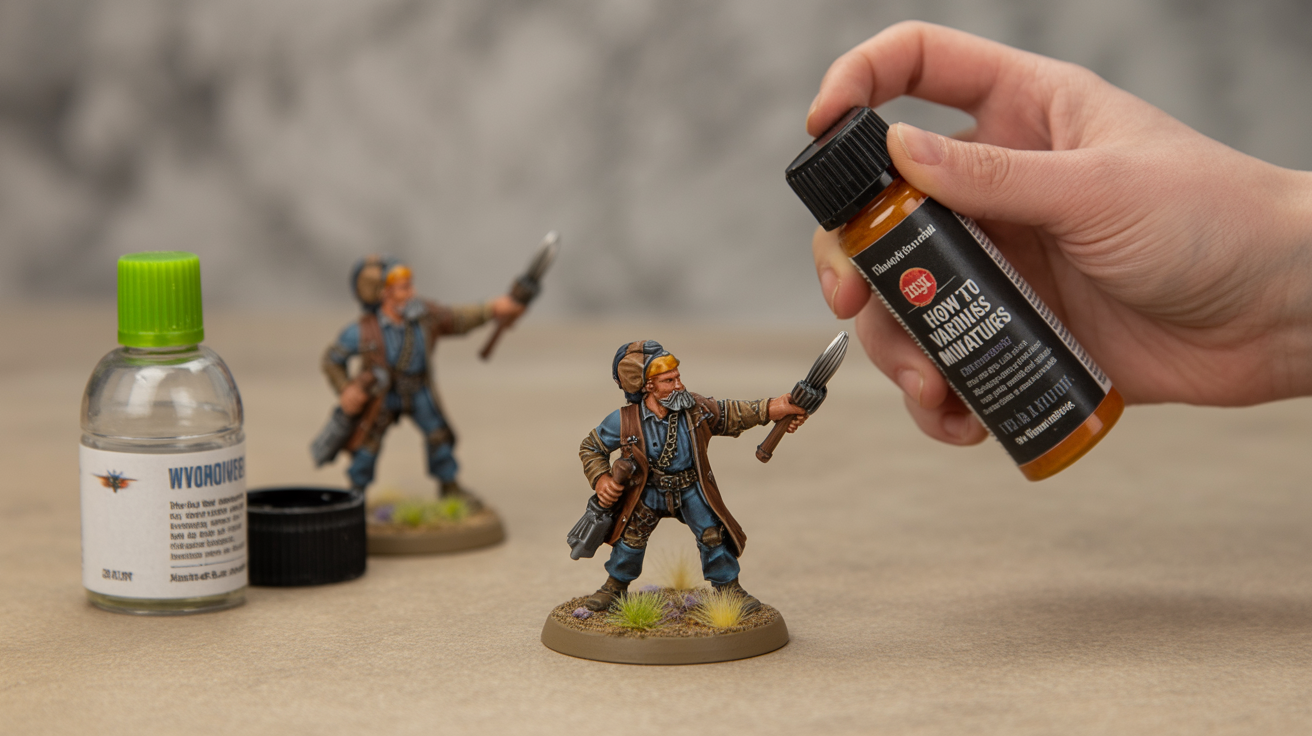
You spent hours painting a miniature. The last thing you want is for a chip, scratch, or knock to undo that work. Varnishing solves this. A coat of varnish locks in your paint, adds a professional look, and gives you control over how shiny or flat the final finish appears. This guide walks you through the whole process, from choosing the right product to applying it without ruining everything.
Why Sealing Your Miniatures Matters
Paint on its own is surprisingly fragile. Acrylic miniature paint is thin, dries in layers, and has no real physical protection once dry. A single rough tabletop session, a bag drop, or rubbing against another model can chip paint off raised edges.
A varnish coat bonds over the paint surface and absorbs the wear instead. Beyond protection, varnish lets you choose your final sheen. Gloss gives a wet, vibrant look. Matte flattens out any reflections and looks more natural. Satin sits between the two and is popular for skin tones or leather textures.
Sealing also locks down any transfers, pigments, or basing materials that might otherwise flake away with handling.
The Three Finish Types: Gloss, Satin, and Matte
Understanding what each finish does helps you pick the right one, and many painters actually use more than one on the same miniature.
Gloss gives the most physical protection of the three. The resin chemistry in gloss varnishes forms a harder, more impact-resistant film. A lot of painters apply a gloss coat first for protection, then follow it with a matte coat to kill the shine. This two-coat method is reliable and gives you the best of both.
Matte is the most popular finish for tabletop miniatures. It scatters light so surfaces look flat and natural. The downside is that matte varnishes are slightly less tough than gloss, which is why the gloss-then-matte method exists.
Satin is a middle ground. Some painters use it as their only coat, especially on models with a lot of leather, cloth, or bare metal where a little sheen looks right. It does not go as flat as matte, and it is not as shiny as gloss.
Spray Varnish vs Brush-On Varnish
Both work. Each has trade-offs.
Spray varnish is fast, gives an even coat, and is the most common choice for tabletop painters. The main caution is humidity. Spraying in high humidity (above around 70%) or very cold temperatures can cause a milky, frosted effect on the surface called "blushing" or "frosting." This is one of the most common mistakes beginners make. Always spray in a dry, warm environment and follow the manufacturer's recommended temperature range.
Spray varnishes also require proper ventilation. Use them outdoors or in a space with good airflow, and avoid breathing the mist. This is a safety requirement, not just a preference.
Brush-on varnish is applied with a soft, wide brush directly to the model. It gives you more control over where the varnish goes, which is useful if you want gloss only on a gem or a wet surface while leaving the rest matte. Brush-on is also safer to use indoors without extra ventilation setup, since you are not producing aerosol particles. The trade-off is that brush strokes can occasionally leave marks if you overwork the varnish while it is drying. Apply it in smooth, single-direction passes and leave it alone.
How to Apply Varnish Step by Step
Getting a clean result is mostly about preparation and patience.
-
Let your paint fully cure. Acrylic paint feels dry within minutes but takes longer to fully harden. Wait at least 24 hours after your last layer before sealing, and longer if you applied thick or wet layers.
-
Check the conditions. For sprays, aim for temperatures between about 15C and 25C (60F to 80F) with low humidity. Read the label on your specific product.
-
Shake the can well. For aerosol varnishes, shake for at least two full minutes. A poorly mixed can is a common cause of uneven or frosted results.
-
Test on a spare piece. Spray a small amount on a spare base or a piece of cardboard first. This clears any blockage in the nozzle and confirms the product is behaving correctly before it goes near your model.
-
Apply in thin, even passes. Hold the spray can about 25 to 30 cm (10 to 12 inches) from the model. Move the can in a steady sweep across the miniature and do not hold it still while spraying. Two thin coats give better results than one heavy coat.
-
Let each coat dry completely. Wait 15 to 30 minutes between coats. For brush-on, let the first coat dry to the touch before adding a second.
-
Apply your top coat if using the gloss-then-matte method. Once the gloss coat is dry, apply the matte coat the same way. The matte finish goes on top and determines the final look.
What to Do If Something Goes Wrong
Frosting or blushing is the most common problem with spray varnishes. The milky haze appears when moisture is trapped in the varnish film. If this happens, do not panic. A coat of gloss varnish applied in better conditions will often fix it by filling the tiny gaps causing the scatter effect. After the gloss dries, you can apply your matte coat again. This works well enough that many painters consider it a standard recovery step.
Brush marks from brush-on varnish usually happen from overworking wet varnish. If you see them once dry, a very thin second coat applied in a single smooth pass can level things out.
Yellowing is a long-term risk with some older or solvent-based products. Modern acrylic varnishes designed for miniatures are formulated to resist this, which is one reason to use products made for the hobby rather than hardware store alternatives.
Quick Reference: Varnish Comparison
| Finish | Protection Level | Best Use |
|---|---|---|
| Gloss | High | First protection coat, water effects, gems, eyes |
| Satin | Medium | Leather, cloth, skin tones |
| Matte | Medium | Final topcoat, most surfaces, natural finishes |
| Gloss + Matte | High | Best overall method for tabletop durability |
Once your miniature is sealed, you can move on to finishing the base. See how to base a miniature and simple basing ideas and textures for beginners for the full process. If you want to add vegetation or grass effects, how to add flock, grass tufts, and static grass covers that next step in detail.
Frequently Asked Questions
Do I have to varnish my miniatures?
No, but most tabletop painters do. If your models will sit on a shelf and never be handled, you can skip it. If they will go into a bag, get shuffled around a table, or be picked up regularly, sealing them extends the life of your paintwork significantly.
Can I use regular craft varnish instead of hobby-specific products?
Some craft varnishes work fine, and many painters use them successfully. The main risk is unpredictable results, particularly yellowing over time or incompatibility with certain paint brands. Hobby-specific varnishes are formulated with miniature paints in mind, so they tend to be a safer starting point while you are learning.
How long should I wait after varnishing before handling the model?
Most varnishes are touch-dry in 15 to 30 minutes but continue to cure for longer. Waiting a couple of hours before normal handling is a reasonable rule. For gloss-then-matte applications, let each layer reach touch-dry before adding the next.
Will matte varnish make my colours look dull?
It will flatten the finish, which can make some colours look slightly less vibrant compared to their wet state. Applying a gloss coat first and then matte on top tends to preserve colour saturation better than matte alone, because the gloss layer keeps the paint film even before the matte coat goes over it.
Can I varnish over basing materials like sand and flock?
Yes, and it is often a good idea. A thin coat of varnish over a textured base helps lock down loose materials and prevents grit or flock from shedding during handling. Apply it carefully with a brush so you do not flood the texture, and use matte to keep the base looking natural.