How to Improve Your Miniature Painting Over Time
Practical ways to get better at painting miniatures, from deliberate practice habits to the techniques that actually make a visible difference.
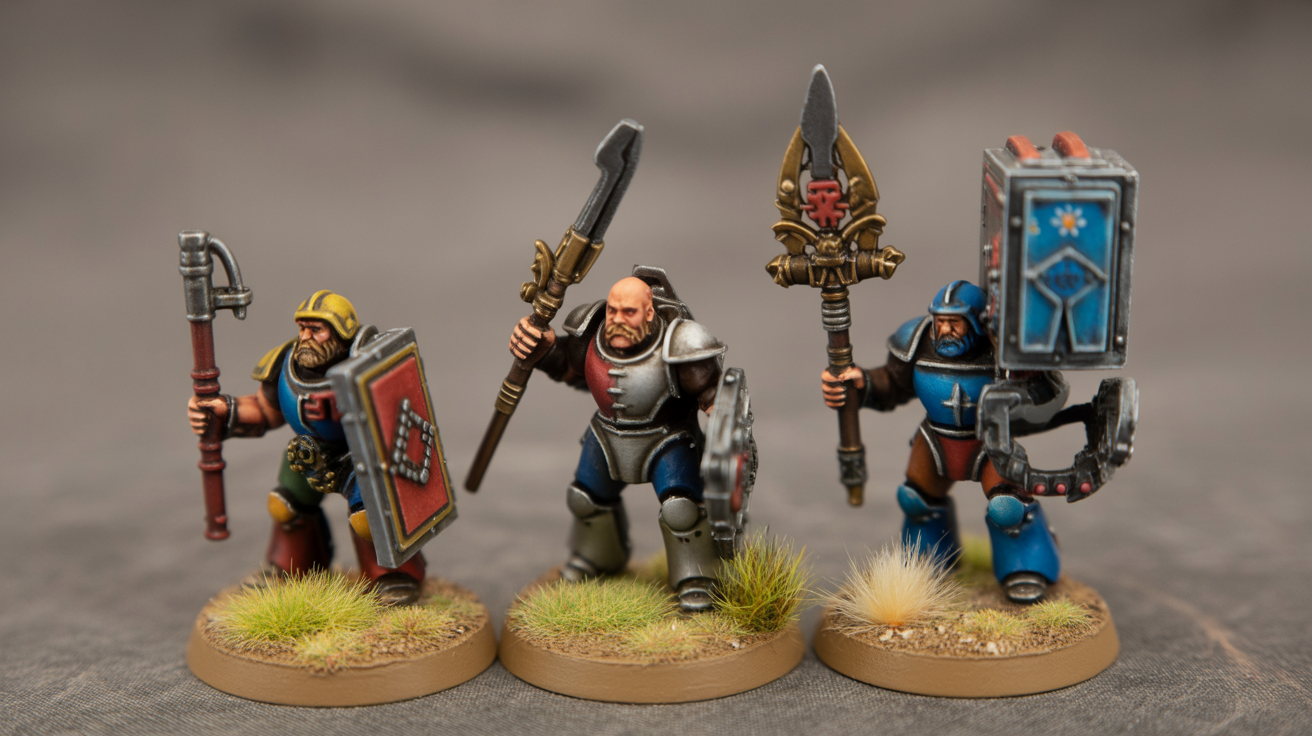
Getting better at painting miniatures is not mysterious. You paint more, you pay attention to what goes wrong, and you fix one thing at a time. Most painters who feel stuck are trying to improve everything at once, which makes it hard to notice what is actually changing. A more focused approach gets results faster.
Focus on One Technique at a Time
The fastest way to improve is to pick a single skill and work on it for a few sessions before moving on. Trying to master washes, layering, and drybrushing simultaneously means you get a little of each without building real fluency in any of them.
Choose something specific. If your shading looks flat, spend your next two or three painting sessions thinking only about where washes pool and how to control them. Paint the same type of model twice: once using your current method, then again after watching how the wash behaves. Compare the two.
This kind of focused repetition builds muscle memory faster than general practice. After a few weeks of rotating through individual techniques, you will find each one feels easier than it did.
Slow Down and Paint Thin Coats
This single habit does more for paint quality than almost anything else. If your paint is too thick, detail gets buried, brush strokes show, and raised edges become rounded blobs. Thick, clumpy paint is one of the most common problems beginners face, and it is almost always fixed by thinning down.
A good working consistency sits somewhere between milk and cream. If your paint drags or skips across the surface, add a drop of water. If it runs off the model entirely, add a touch more paint. It takes a little practice to find the sweet spot for each color, but once you do, your coats will go on smoother and your details will stay crisp.
Thin coats also layer more cleanly. Two or three thin passes of a color look better than one thick one, and they dry faster so you spend less time waiting.
Look at Reference, Then Look Again
One habit that separates painters who improve quickly from those who plateau is the habit of actually studying reference before picking up a brush. That means looking at photos of real armor, fur, leather, or stone, and thinking about where the light hits, where shadows pool, and what transitions look like in real life.
You do not need to copy the reference exactly. You are training your eye to recognize contrast and value, which makes your painting decisions more confident. Even five minutes of looking at reference before starting a batch of models will influence how you approach highlights and shadows.
Painted miniatures from other painters are also useful reference. When you see a technique you like, try to reverse-engineer it. What base color did they use? Where did the highlight go? How sharp is the transition? Breaking down finished work teaches you to think analytically about your own.
Deal With Brush Marks Early
Visible brush strokes in your base coats are distracting, and they compound as you add layers on top. The fix is usually a combination of paint consistency and brush pressure. Too much pressure splays the bristles and drags marks across the surface. Too little, and the paint does not flow.
Learning to use the tip of the brush rather than the belly, especially on detail areas, makes a significant difference. Getting rid of brush marks on miniatures often comes down to this: let the paint flow off the tip rather than pushing it with the body of the brush.
Practicing on a spare sprue or a model you do not care about is a good way to experiment with pressure and angle without risk. Cheap plastic figures are ideal for this kind of technique work.
Build a Simple Practice System
Improvement is a byproduct of showing up consistently. You do not need long sessions. Even 20 to 30 minutes of focused painting a few times a week adds up faster than occasional marathon sessions.
A few habits that help:
- Keep your desk set up so starting is easy. If you have to assemble your paints and tools every time, you will paint less.
- Paint in batches rather than one model at a time. Working on four or five figures at once lets you practice the same stroke repeatedly and keeps you from overworking individual models while waiting for paint to dry.
- Finish models even when they are not going the way you hoped. Completed figures teach you more than half-painted ones, and you often learn the most from the ones that did not turn out perfectly.
- Take photos of finished work before you base or seal. The camera sees things your eye misses, and having a record lets you compare your models over time.
Know When Speed Is Useful
Painting faster is not always the goal, but painting efficiently matters. Spending 20 minutes on a base coat that could take 5 is time that could go toward highlights or details that actually improve the final look.
Painting miniatures faster without sacrificing quality is mostly about working smarter rather than rushing. Drybrushing an entire unit in one pass, batch-painting base coats across a group before adding any shading, and choosing a wash that does half the shading work for you are all ways to move through a project without cutting corners on the results that matter.
Speed and quality are not opposites. Developing efficient habits frees up time for the steps where careful attention actually shows.
A Quick Reference: Common Stuck Points and What to Try
| Problem | Likely Cause | Try This |
|---|---|---|
| Paint drying before you can blend it | Too little water, dry air, or both | Thin more aggressively, add a drop of retarder medium |
| Highlights look chalky or pasty | Too much white mixed in | Use a lighter version of the base color or a dedicated highlight paint |
| Washes pooling in the wrong places | Paint too watery or applied over glossy surface | Apply a matte medium first, or thin the wash less |
| Edge highlights are ragged | Brush worn or overloaded | Use a fresh detail brush with a fine tip, load less paint |
| Base coats look streaky | Single thick coat | Apply two thin coats, letting the first dry fully |
Frequently Asked Questions
How long does it take to get noticeably better at painting miniatures? Most painters notice real improvement after 10 to 20 completed models, assuming they are paying attention to what works and what does not. That might be a few weeks of regular painting or a few months of occasional sessions. Focused practice on individual techniques speeds this up considerably.
Do I need to buy better paints or brushes to improve? Not at first. Technique accounts for far more than equipment at the beginner stage. Mid-range acrylic paints from most major hobby brands and a few good brushes in sizes 1 and 0 are enough to reach a solid tabletop standard. Upgrading tools makes more sense once you can consistently apply thin coats and control a wash.
Should I copy other painters' work to learn? Copying a technique you admire is a legitimate and useful learning method, as long as you are doing it to understand how the effect works rather than to claim the result as original. Breaking down someone else's highlight placement or color choice gives you a framework you can then apply to your own models.
Is it better to paint one model at a time or in batches? For learning specific techniques, painting one model at a time lets you experiment and stay focused. For building efficient habits and finishing projects, batch painting is more practical. Most experienced painters use both approaches depending on the model and the goal.
What is the single most effective thing a beginner can do to improve faster? Thin your paints. It is the one change that immediately makes almost every other technique work better. Thin coats flow into recesses for washing, they layer without obscuring detail, and they make highlights easier to blend. Everything else builds on top of that foundation.