How to Wash Miniatures Before Priming
Yes, you should wash miniatures before priming. Here's how to clean plastic, metal, and resin minis so primer sticks and paint lasts.
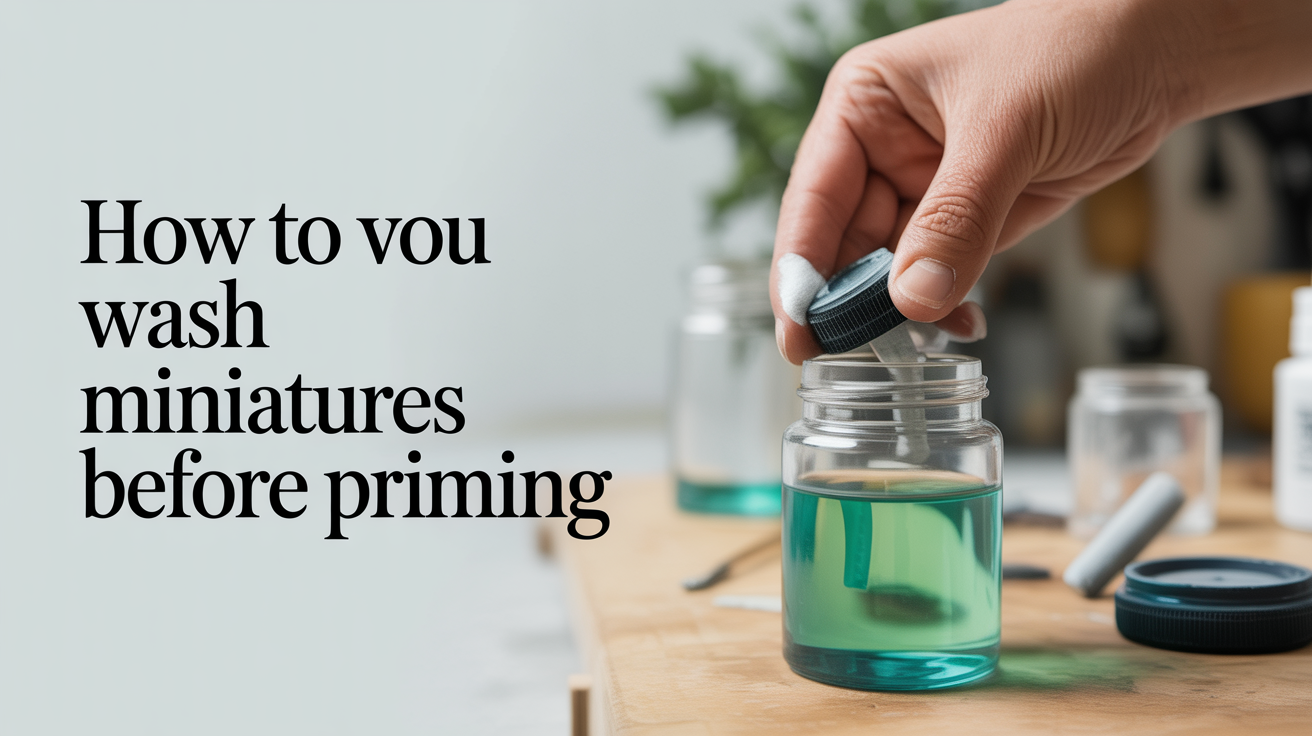
Yes, you should wash your miniatures before priming. It takes about five minutes and it makes a real difference. Fresh plastic, metal, and resin miniatures come out of the mold with release agents, machine oils, and handling residue on the surface. Primer applied over that layer can peel, bead, or flake off weeks later. A quick soap-and-water wash removes all of it.
Why Cleaning Matters More Than You Might Expect
Primer needs a clean surface to bond to. When manufacturers pull a miniature out of a mold, they use release agents so the model does not stick. Those agents are doing exactly what they are supposed to do for the factory, but they also stop your primer from gripping the plastic or metal underneath.
Beyond release agents, consider what happens between the factory and your hands. Miniatures get handled during packaging, shipping, and assembly. Skin oils transfer to the surface every time someone touches them. Those oils are invisible and odorless, but primer detects them.
The wash step costs almost nothing in time or materials and solves all of this at once.
What You Need
- A soft toothbrush (one you are not going to use for teeth again)
- Dish soap (a basic degreasing formula works fine)
- A bowl or small container
- Warm water
- A clean towel or paper towels for drying
That is the whole supply list. No special cleaning products are required.
How to Wash Plastic and Metal Miniatures
Plastic and metal are the most forgiving materials to clean. The process is straightforward.
Step 1: Fill a small bowl with warm water. Add a few drops of dish soap and mix until you see a little foam.
Step 2: Submerge the miniature. Let it sit for a minute or two. This loosens any surface residue before you scrub.
Step 3: Scrub gently with the toothbrush. Work the bristles into recesses, around joints, and along the underside of the base. You do not need to scrub hard. A light back-and-forth motion is enough.
Step 4: Rinse under cool running water. Make sure all the soap is gone. Soap residue left on the model can cause the same adhesion problems you were trying to fix.
Step 5: Pat dry, then let air dry completely. Use a clean towel to remove most of the water, then leave the miniature somewhere with good airflow for at least an hour. Priming a damp miniature traps moisture under the primer and leads to a grainy or powdery finish.
How to Wash Resin Miniatures
Resin requires a little more care, and it is worth taking that care seriously. Uncured resin dust and residue is an irritant. Wash resin miniatures in a well-ventilated area and consider wearing gloves, especially if you have sensitive skin. Do not breathe in dust from trimming or sanding resin before washing.
The cleaning process for resin miniatures is similar to plastic and metal, with a couple of differences.
Use cool or lukewarm water rather than hot. Some resins can warp slightly under heat, and hot tap water is warm enough to cause problems with thinner parts.
Scrub more gently than you would with plastic. Resin detail can be sharp and fine, and aggressive scrubbing risks snapping delicate pieces. A soft toothbrush at light pressure is the right tool.
Some resin kits ship with a heavy coating of release agent, and you may need two wash cycles to clear it. If the water still beads up on the surface after the first wash, that is a sign there is still residue present. Wash again.
Rinse thoroughly and dry the same way as plastic and metal.
How Long to Wait Before Priming
Once your miniatures are washed, patience pays off. Primer applied to a still-damp model will look rough or powdery, and it will not bond as well to the surface underneath.
A general guideline:
| Drying method | Minimum wait time |
|---|---|
| Air dry on a towel | 1 to 2 hours |
| Air dry with a fan | 30 to 45 minutes |
| Pat dry and air dry | 45 to 60 minutes |
If you are in a hurry, a fan set to room temperature (not hot) speeds things up without the warp risk of a hair dryer on resin.
After priming, the surface becomes much more receptive to paint. You can read more about the priming step itself in our guide to how to prime a miniature and why priming matters, and then think about brush-on vs spray vs airbrush primer to decide which application method suits your setup.
Assembled vs Unassembled: Does It Matter?
You can wash miniatures either way. Both approaches work.
Washing before assembly makes it easier to reach every surface. Nothing is hidden behind a glued joint. If you are building a multipart kit and planning to paint sub-assemblies separately, washing the individual pieces first is usually more practical.
Washing after assembly is fine for single-piece or mostly assembled models. The toothbrush can still reach most recesses. Just pay extra attention to joints and areas where glue has filled gaps, since residue can collect there.
If you are priming sub-assemblies, keep choosing a primer color in mind as you plan which pieces to prime together. Zenithal priming in particular gives you better results when the model is fully assembled so you can get the angle right.
Frequently Asked Questions
Do I really need to wash new miniatures, or is it optional?
It is optional in the sense that plenty of painters skip it and still get decent results. But adhesion failures (primer peeling, paint chipping earlier than expected) are much more likely on unwashed models. The wash step takes five minutes and removes the main cause of those failures. It is worth doing.
Can I use rubbing alcohol instead of soap and water?
Isopropyl alcohol is sometimes used to clean metal miniatures, but it is not a better general solution. It can make some plastics brittle over time, and it is not necessary for resin. Dish soap and water removes release agents and oils reliably without any risk to the material.
What if I washed the miniature but primer is still beading?
The model likely still has residue on it. Try a second wash cycle, scrubbing more thoroughly this time, and rinse well. If beading persists on resin after two washes, the release agent coating may be unusually heavy. Some painters use a mild degreaser (a small amount of dish soap diluted even further) as a third pass.
Does washing a miniature remove any factory paint or detail coats?
Soap and water will not remove factory paint on pre-painted miniatures, and it will not affect the plastic or resin itself. If a miniature has been pre-painted by the manufacturer and you want to strip it, that requires a dedicated stripping solution, not a soap wash.
Do metal miniatures need washing the same way as plastic?
Yes. Metal miniatures often carry more machine oil residue than plastic kits because of the casting process, so if anything they benefit more from a good scrub. The same soap-and-water method works. Metal is durable, so you do not need to be as gentle as you would with delicate resin pieces.